Department of Citywide
Administrative Services
Centre 360 · A game for your visit

Spot Ten from the Balcony

From the cupola you can see many New York City landmarks. Use this page on your phone during your visit. Tap each landmark as you spot it. Your progress is saved on this device.

0of 10
01

Look around

Step onto the balcony. Take a slow circle. The cupola opens to every cardinal point.

02

Tap when found

Match the photo on each card to the view in front of you. Tap the card to check it off.

03

Share at the end

When you finish, share your hunt with friends. We will prefill a caption and the hashtags.

North · 0°

Midtowntwo postcards above 14th Street.

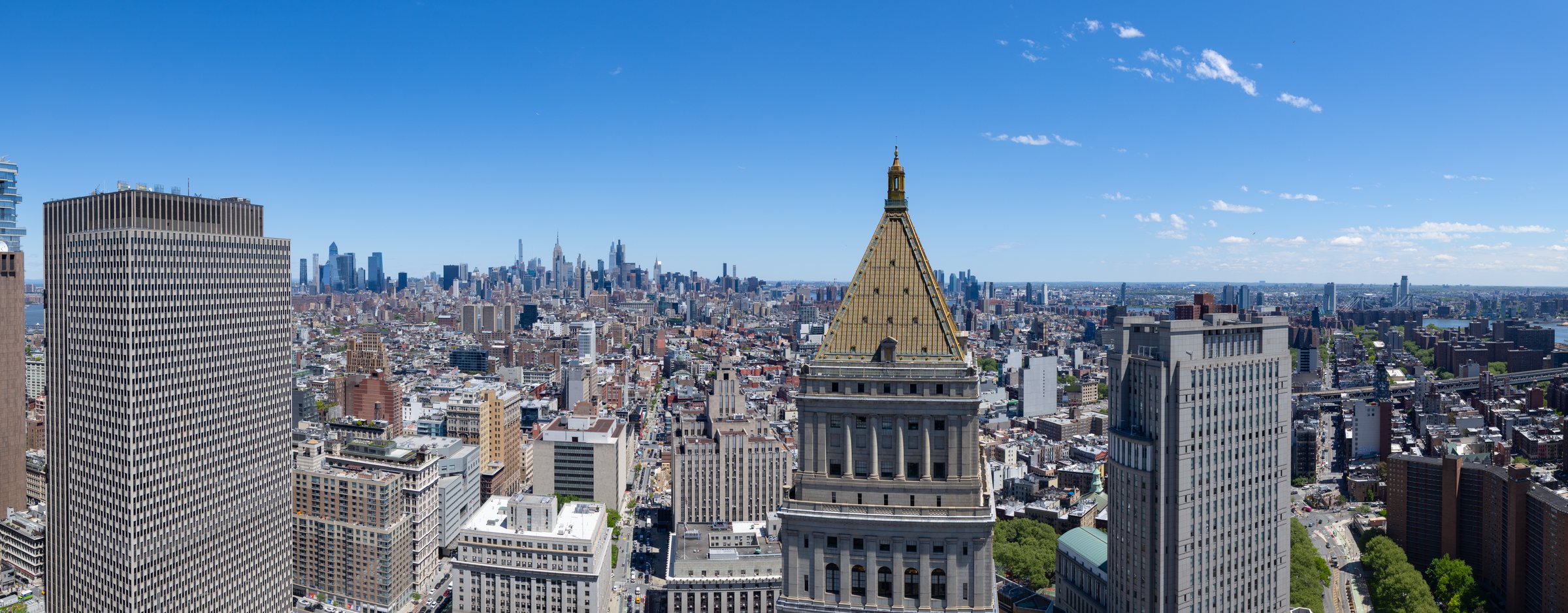
View north from the cupola toward Midtown.
Looking north
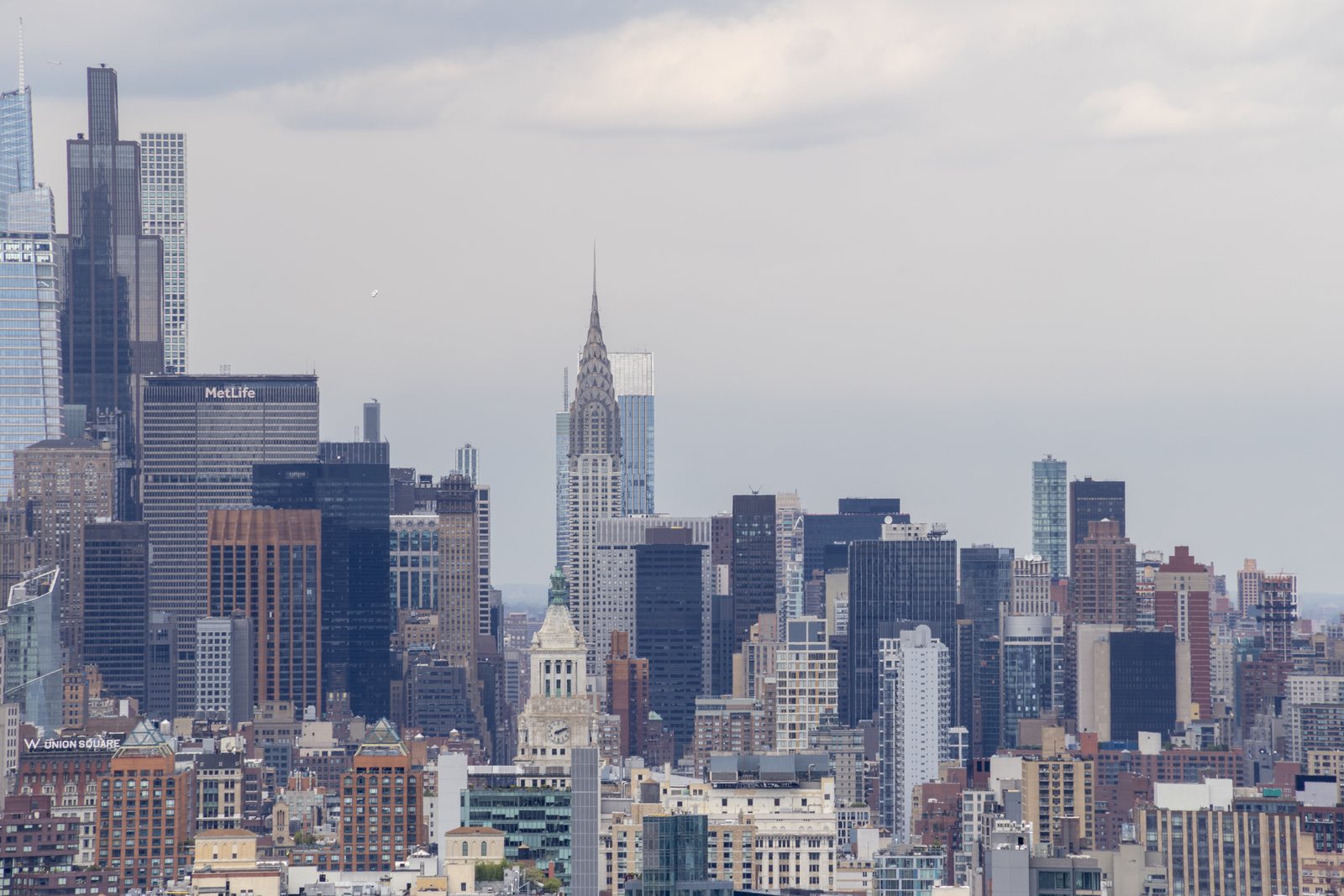
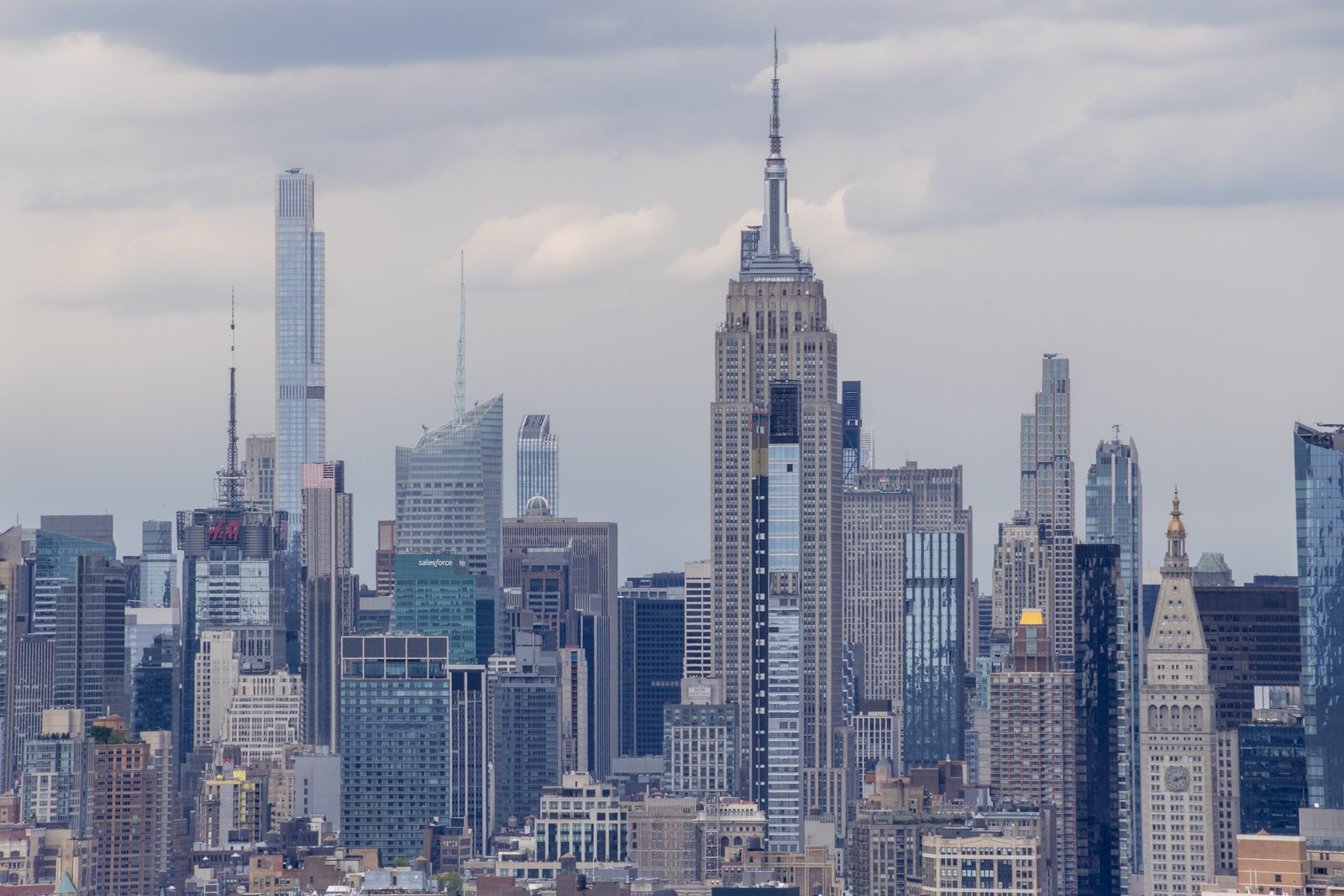
02 North-East The Chrysler Building crown seen from the cupola.

Chrysler Building

The metal sunburst crown a touch right of the Empire State, slimmer, sharper, made for the camera.

Bearing20° east of north Opened1930
Chrysler Building · 1930

Historical significance

Briefly the tallest building in the world, surpassed eleven months later by the Empire State. Built for Walter Chrysler as a monument to the American automobile. The steel sunburst crown and the corner gargoyles are modeled on Chrysler hood ornaments and radiator caps of the late 1920s.

East · 90°

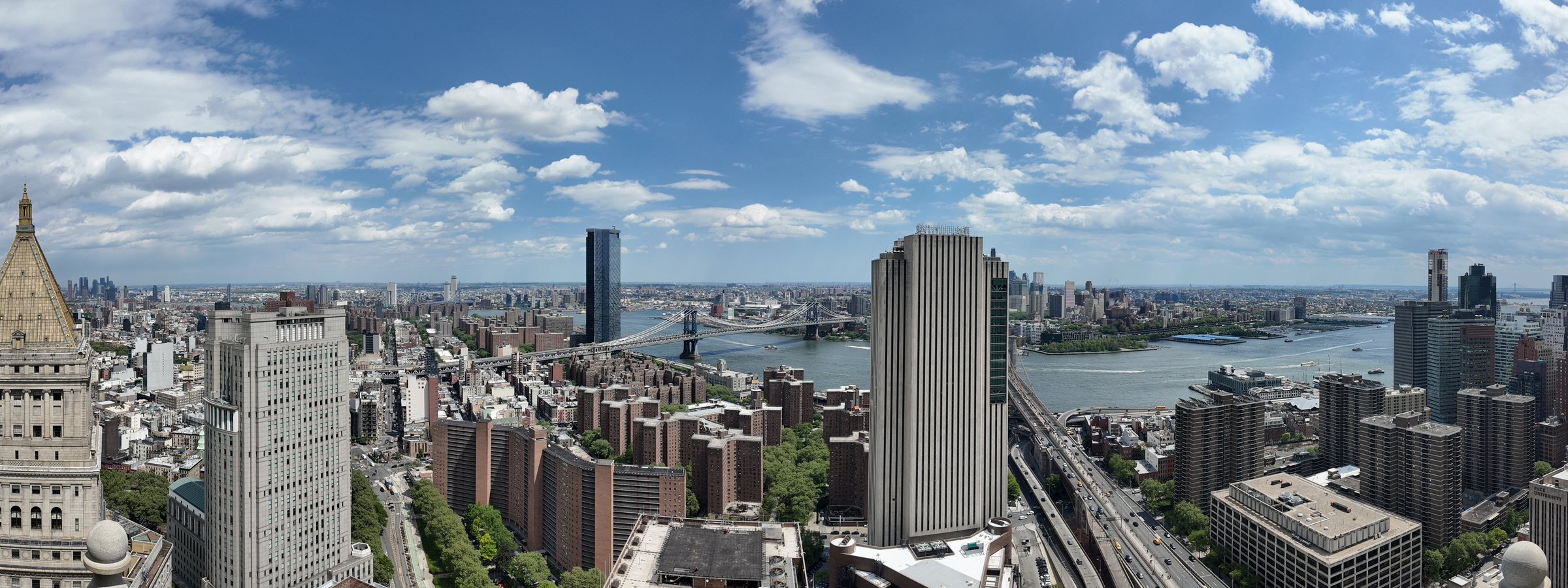
Bridges and riverthree crossings to Brooklyn.

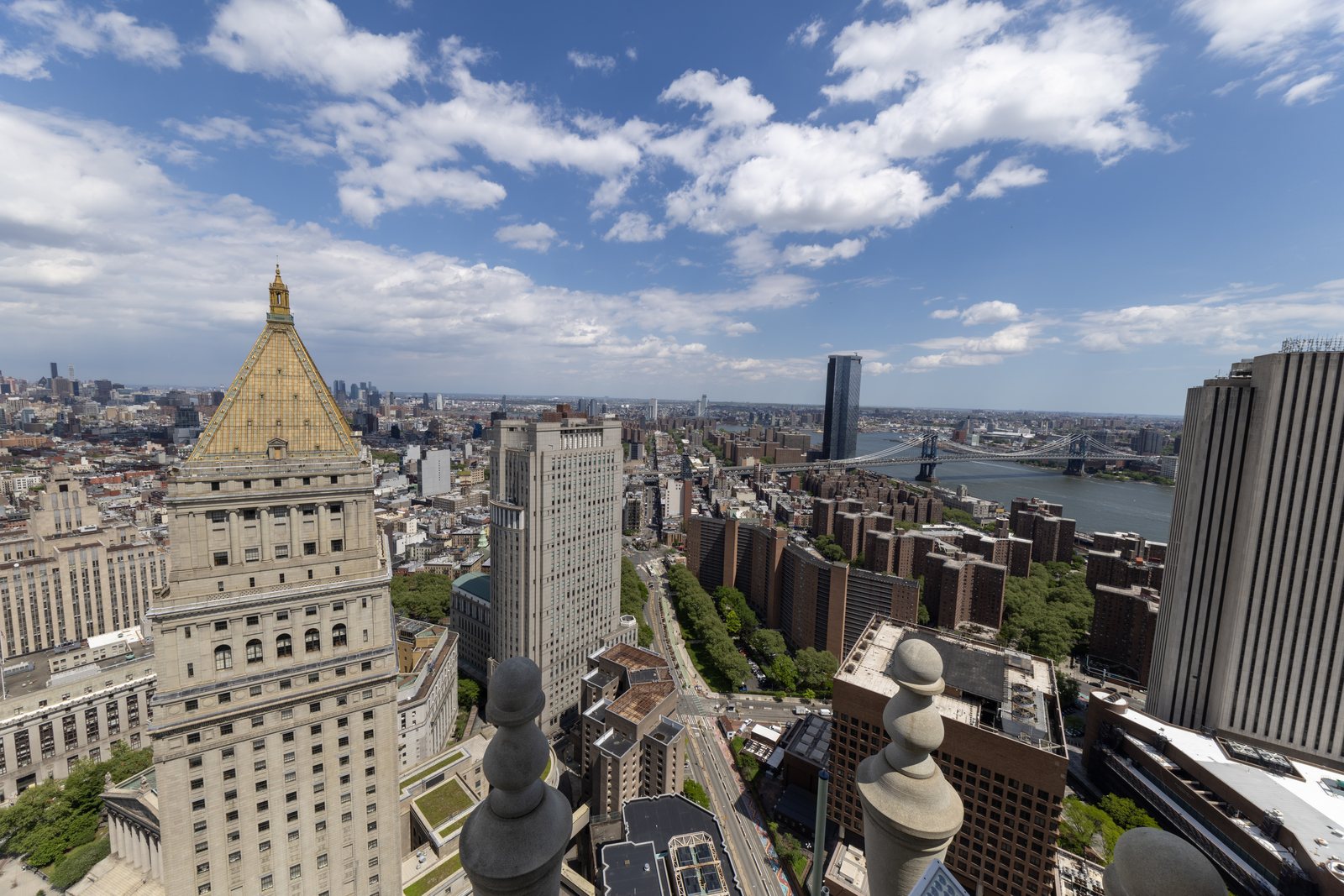
View east from the cupola across the East River.
Looking east
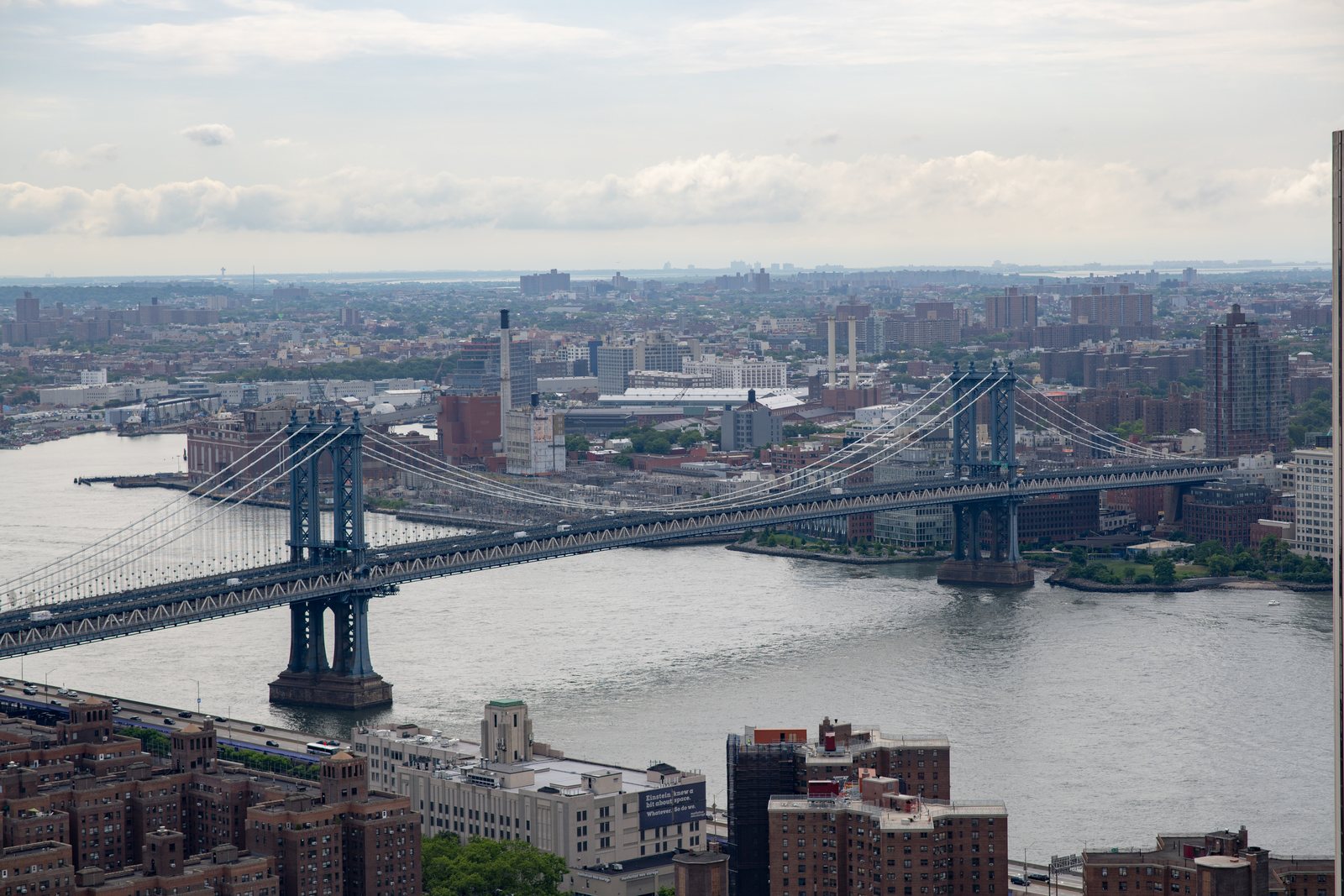
04 East The Manhattan Bridge seen from the cupola.

Manhattan Bridge

Just left of the Brooklyn Bridge, lighter, longer, the blue painted suspension that frames most postcards of Dumbo.

BearingEast Opened1909
Manhattan Bridge · 1909

Historical significance

The youngest of the three East River bridges and the first built using deflection theory, the analytical method behind every long-span suspension bridge of the twentieth century. The colonnade and arch on the Manhattan approach are City Beautiful gestures from the 1910s.

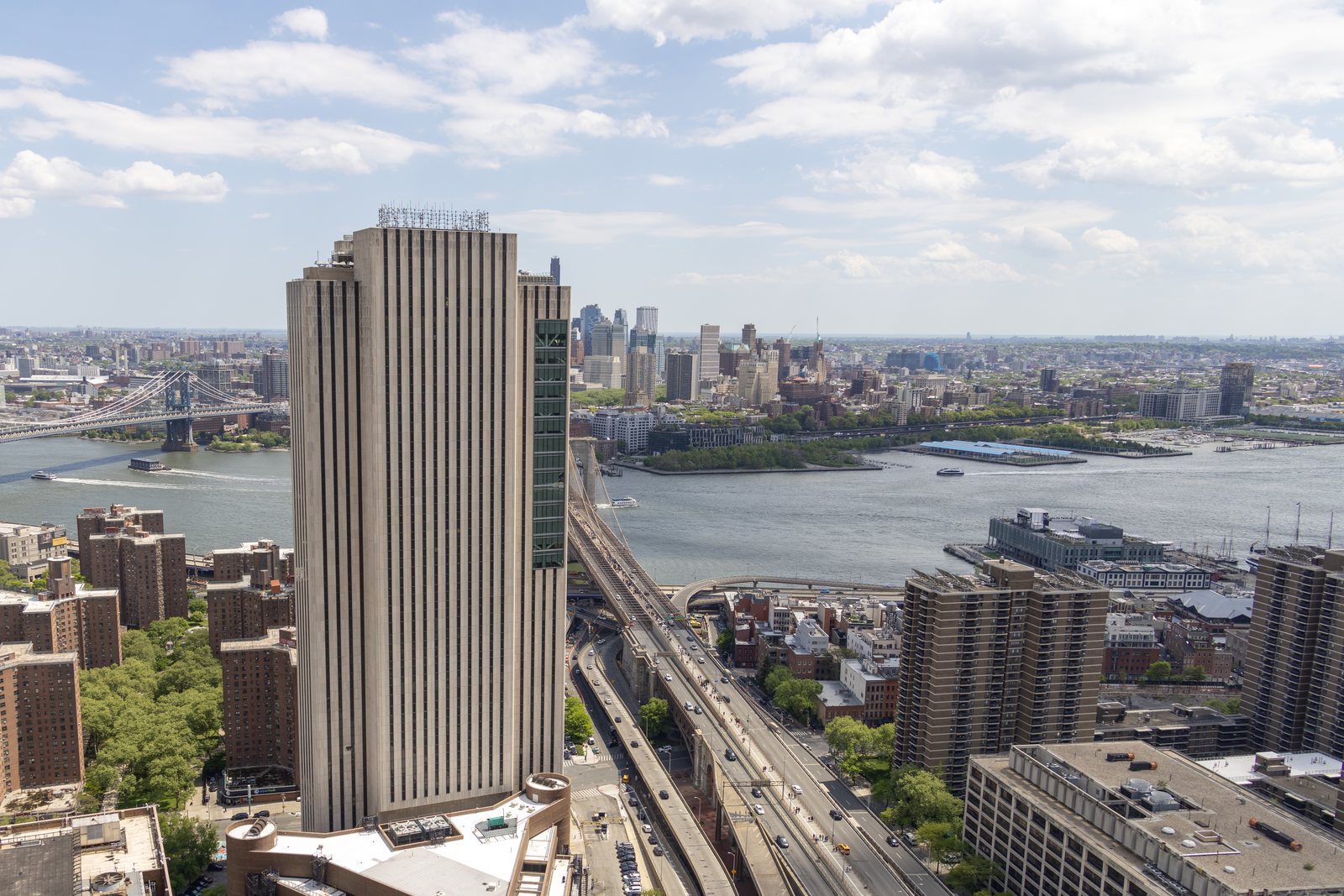
05 East The East River and Brooklyn Heights seen from the cupola.

East River and Brooklyn Heights

The grey ribbon between the bridges. Look for the long low brick row of Brooklyn Heights on the far bank.

BearingEast
East River · Brooklyn Heights

Historical significance

The East River is a tidal strait, not a river. It connects New York Harbor to Long Island Sound and reverses direction with the tides. Brooklyn Heights, on the far bank, became the first historic district in the city in 1965, after a fight to stop a planned expressway from cutting through it.

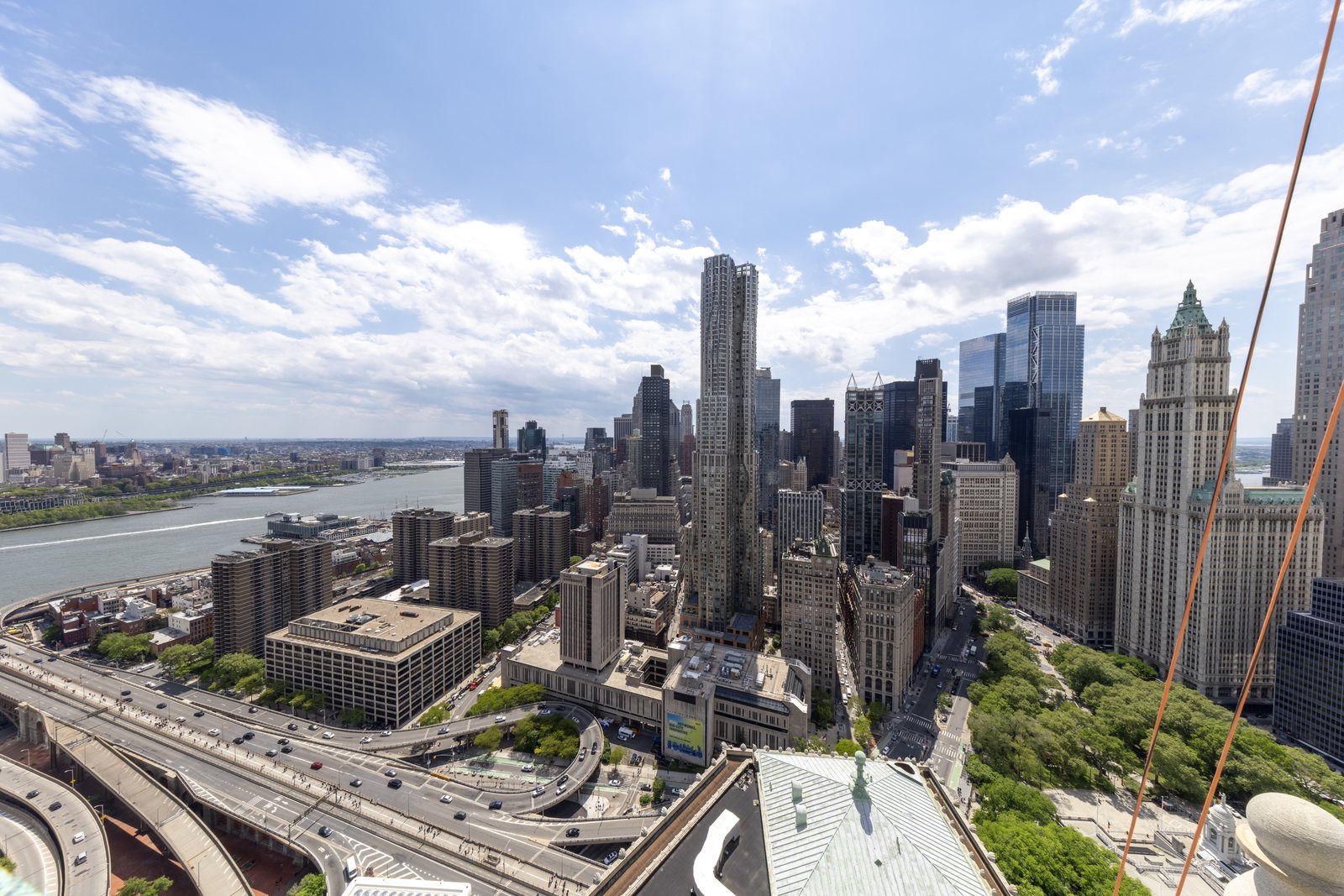
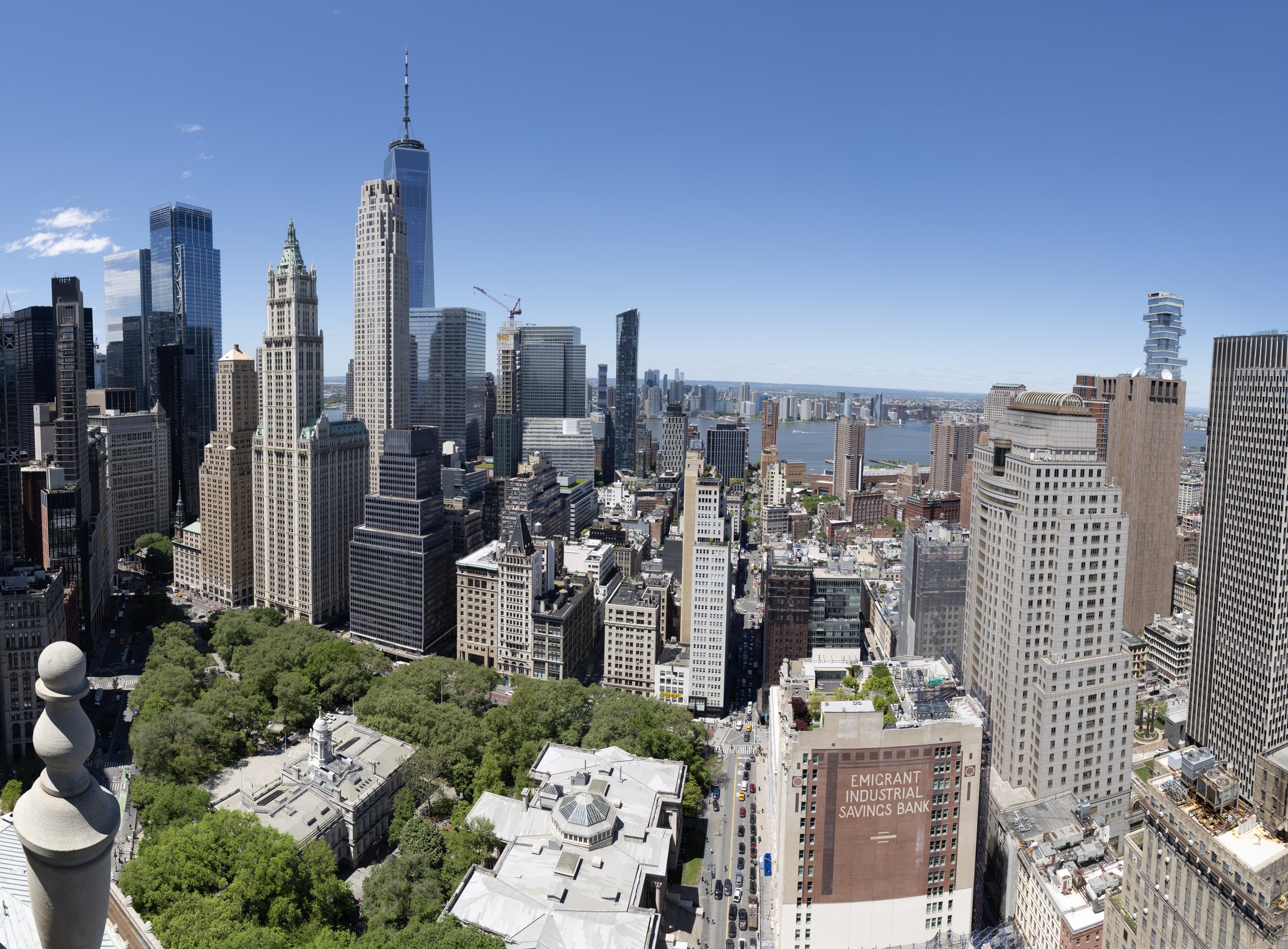
South · 180°

Lower Manhattanthree towers near the harbor.

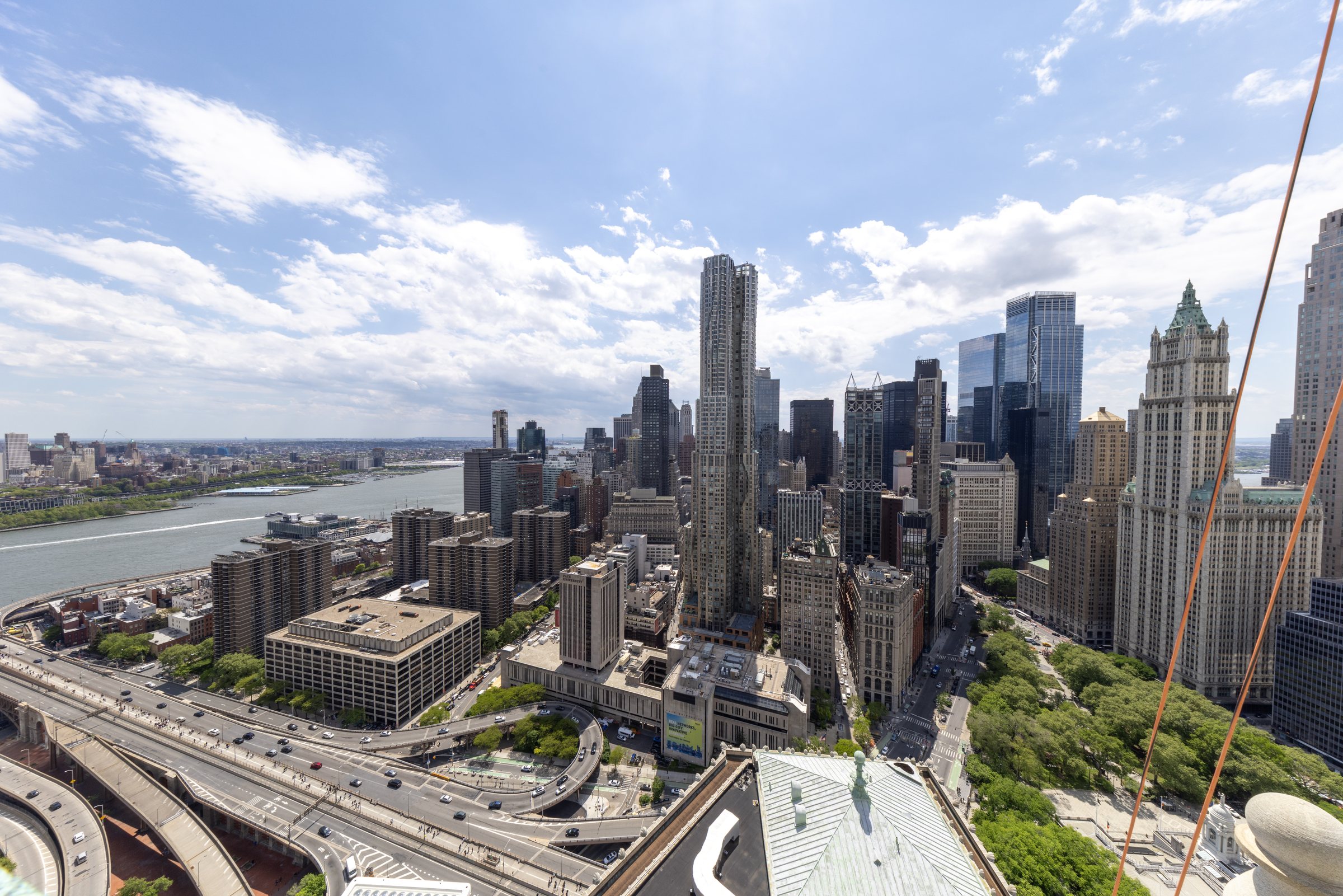
View south from the cupola toward Lower Manhattan.
Looking south
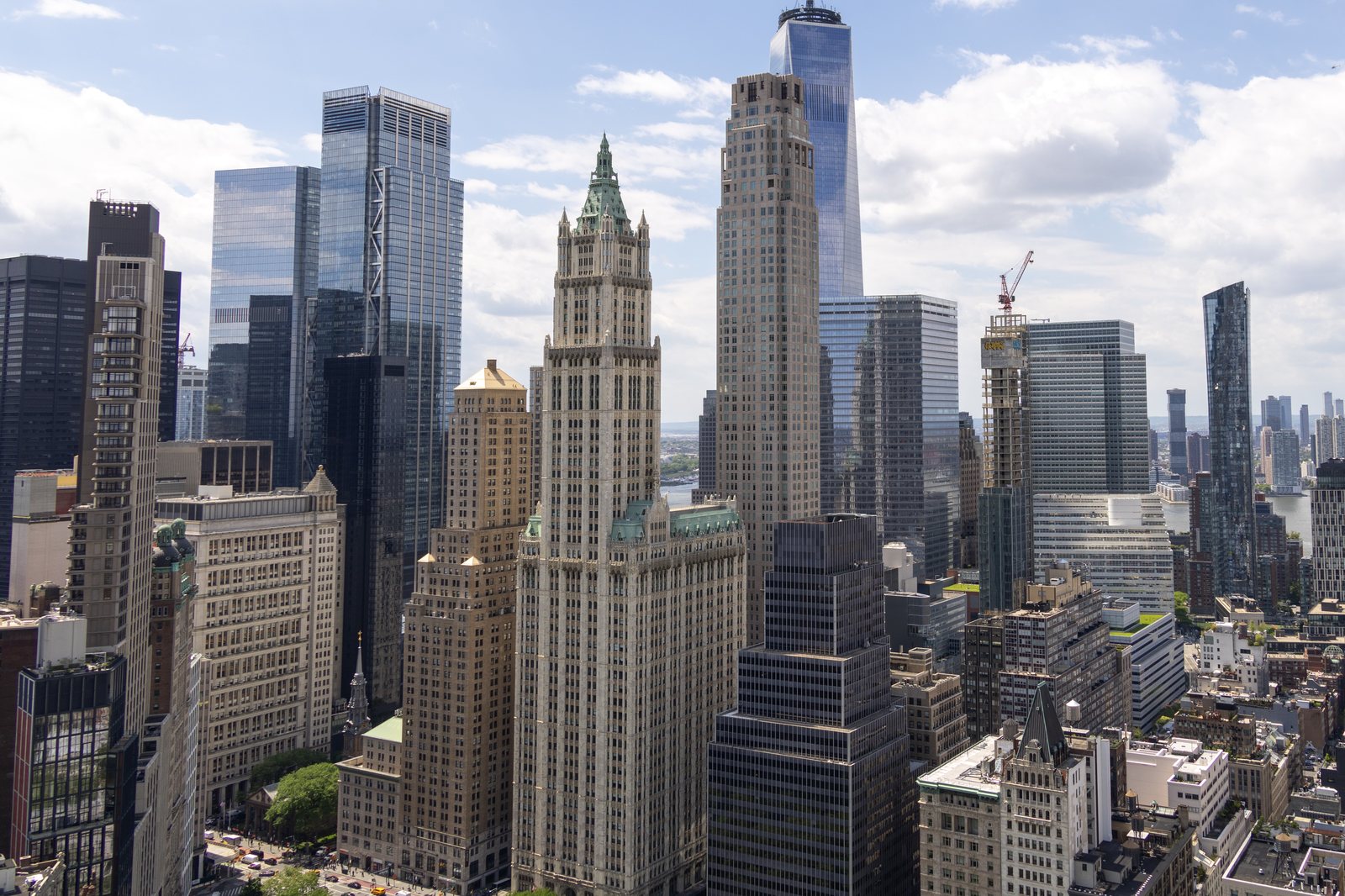
07 South The Woolworth Building seen from the cupola.

Woolworth Building

Right under your feet, a Gothic crown in cream terracotta. The Cathedral of Commerce, the world's tallest in 1913.

BearingSouth Opened1913
Woolworth Building · 1913

Historical significance

Built for Frank W. Woolworth, who paid the entire 13.5 million dollar cost in cash from the receipts of his five-and-dime stores. Tallest building in the world from 1913 to 1930. Known as the Cathedral of Commerce for the Gothic terracotta cladding and the church-like main lobby.

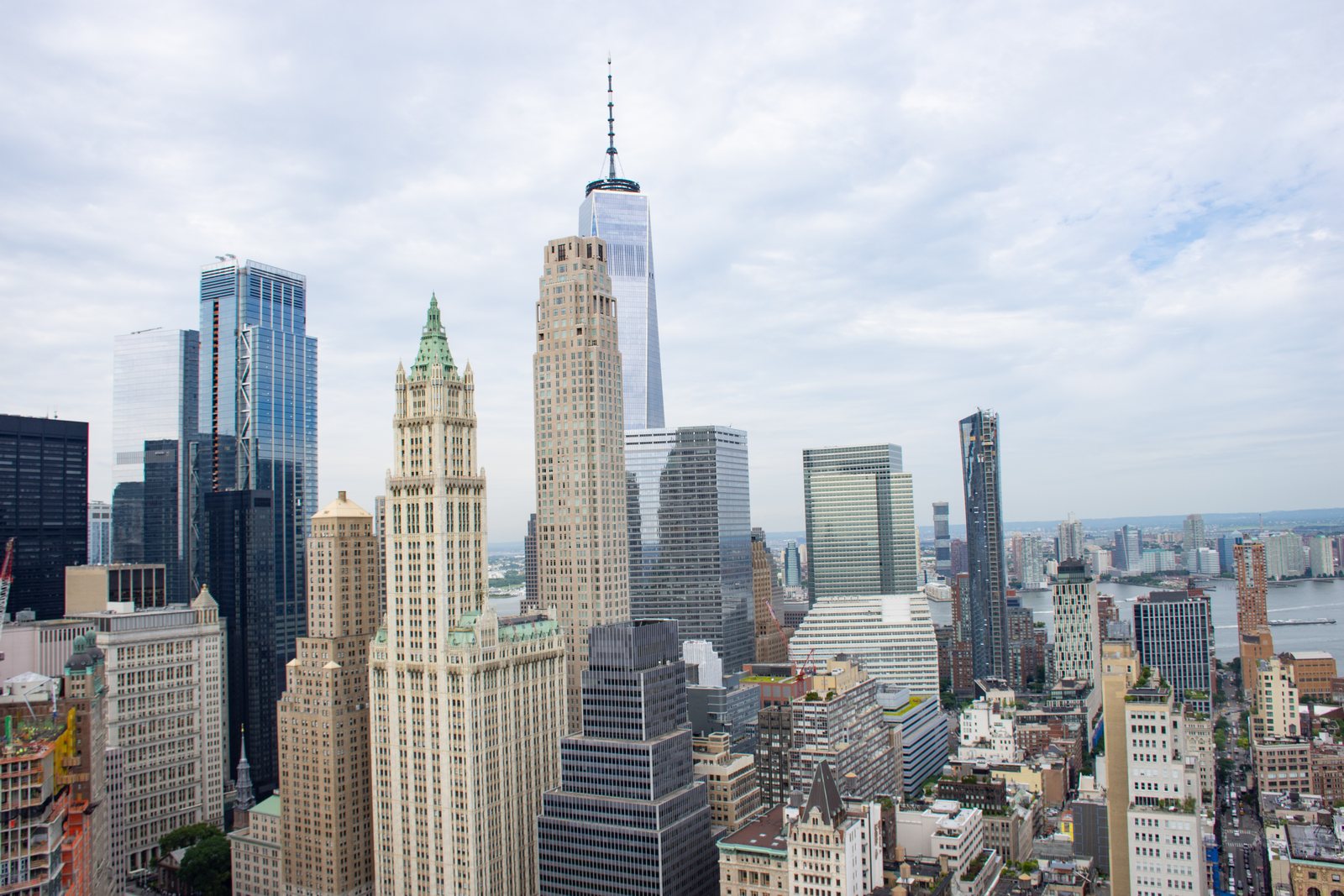
08 South The Financial District skyline seen from the cupola.

Financial District skyline

A field of towers beneath One WTC. Look for the pyramid roof of 70 Pine and the green spire of 40 Wall Street.

BearingSouth
Financial District · New Amsterdam

Historical significance

The dense field of towers south of City Hall sits on the original seventeenth-century Dutch settlement of New Amsterdam. The street grid below still follows the colonial paths. Wall Street is named for the wooden wall built in 1653 against feared English attack from the north.

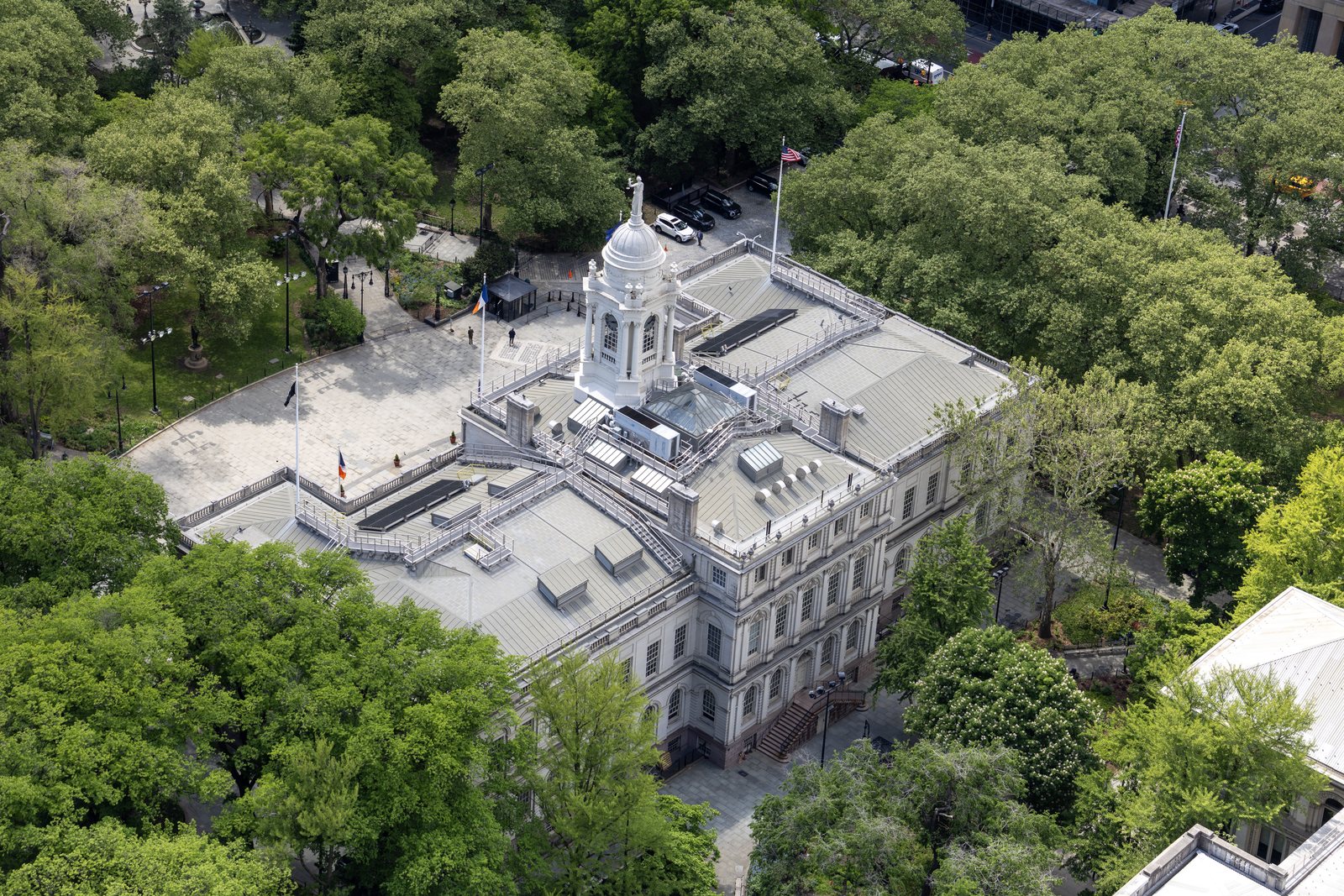
West · 270°

Civic grounddirectly below the balcony.

View west from the cupola toward City Hall Park.
Looking west
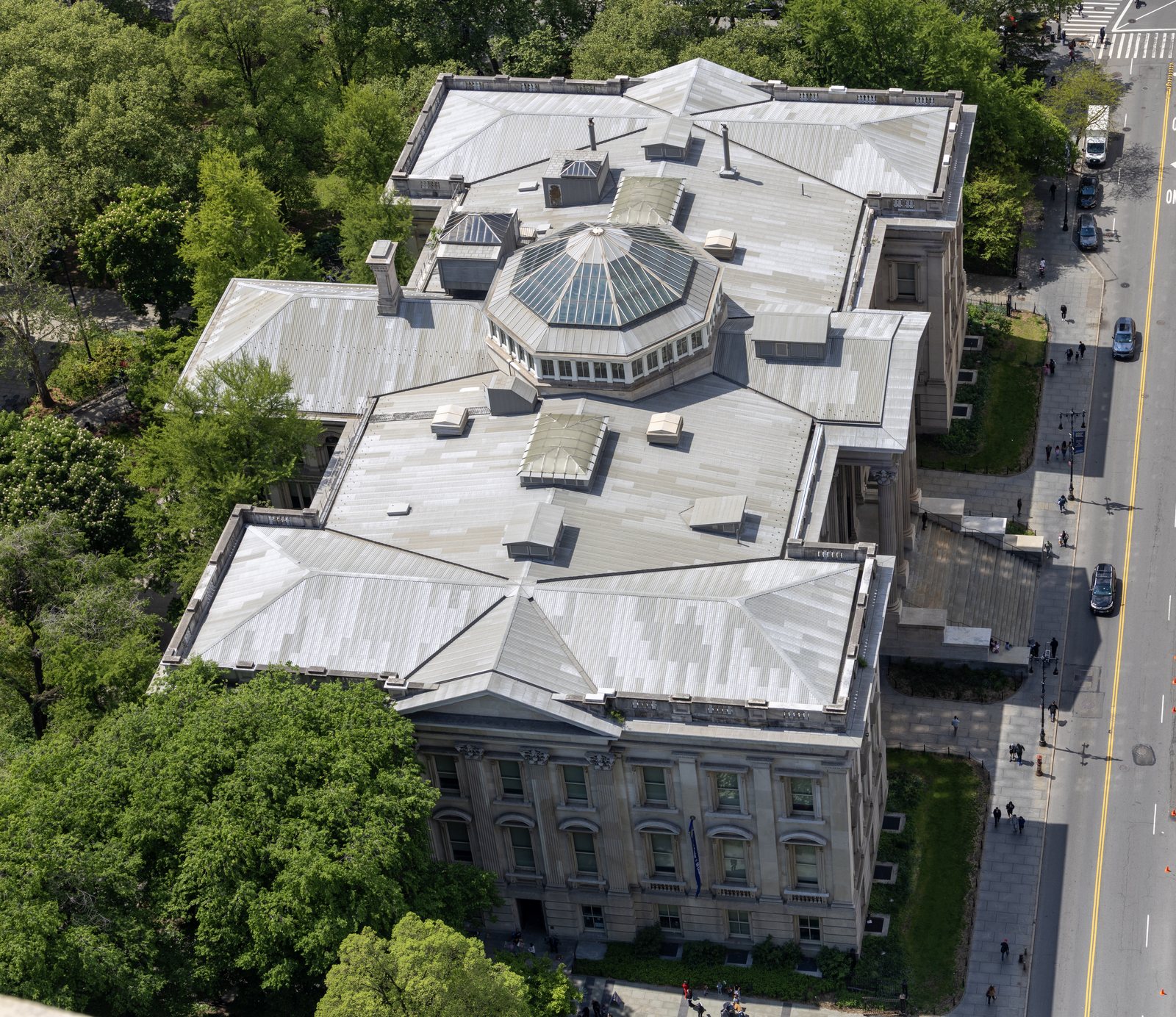
10 West Tweed Courthouse seen from the cupola.

Tweed Courthouse

Behind City Hall, an Italianate brownstone with a Roman portico, named for the boss who turned its construction into legend.

BearingWest Opened1881
Tweed Courthouse · 1881

Historical significance

Begun in 1861 and not finished for twenty years. The original budget of 250,000 dollars grew to about thirteen million, much of it funneled to William M. Tweed and the Tammany Hall machine through padded contracts. The scandal became a defining symbol of nineteenth-century municipal corruption. It now houses the Department of Education.

Share your hunt

A loop around the cityat five hundred and eighty feet up.

Whether you found ten or two, share it. Tag your favorite landmark. The hashtags will let other visitors find your photo and add their own.

0of 10 landmarks found